Running a home that feels good—even in the busiest seasons of parenting

As an interior consultant, I always ask clients how they want their homes to feel. Not just how they want them to look, but how their spaces can support their lives day to day. Sometimes, it’s the smallest, most obvious things (the ones we tend to overlook) that can start to shift how a home feels, and how you feel in it.
Before you become a parent, no one really warns you that overnight, the housework multiplies. The laundry, the cooking, the constant tidying…it all seems to grow exponentially.
We recently had a testing stretch at home where all our usual routines just went out the window, throwing everything a bit off rhythm. It reminded me that when life gets busy, your home can either work with you or against you.
Often invisible, it’s the behind-the-scenes effort that can really make a difference to how our homes feel and function. Yet it’s rarely something we approach with much enthusiasm, because, well, the day-to-day upkeep of a household just isn’t that exciting. Still, there are a few small things I’ve started doing over time that help me tackle the busier days with a little more grace.
Reset the drop zones
Our brains are constantly taking cues from our surroundings. We know from studies that cluttered environments can increase cognitive overload and contribute to stress and overwhelm. It might sound like a stretch, but even a single clutter hotspot can contribute to low-level friction.
There's always a few spots in every home where everything gets dumped—bags, lunchboxes, paperwork, unopened mail etc. In most homes, these areas do more heavy lifting than we realise. In households with young children, the kitchen bench, the hallway and the laundry door are usually pressure points that carry a lot of the visual and mental load.
If you can get this under control, it can start to shift how you feel in your home. These spaces don’t need to be styled. Just clear. Find a slim drawer for school forms you haven’t looked at yet. A dedicated spot for school bags. A clear bench to pack lunchboxes in the morning. A set of hooks or a basket for hats. The less visual noise you have to deal with every time you walk in the door, the better.
A home that says ‘adults live here too’
Since becoming a parent, I’ve been pretty adamant that I don’t want our home to always feel like a playpen. Yes, we all chose to have kids, and yes, we all love them…but that doesn’t mean we need to be surrounded by their things 24/7!
Sure, when my boys are home, the common areas are fair game. There are toys, books, skateboards, balls (so many balls) and clothes scattered everywhere. But when they’re not around or when they go to sleep, I like our space to feel like adults live in it too.
Most nights, after we’ve put the kids to bed, my husband and I do a quick sweep of the living areas to clear away the kid stuff and reset the space so we can enjoy it. Even the toy storage was chosen to blend in with the rest of the home.
This is a gamechanger in helping you as the parent feel good in your home. It takes a bit of effort, but the payoff far outweighs the hassle.
Invest in storage you actually like looking at
Having children doesn't mean giving up on your beautiful home. It just means thinking differently about how it functions.
Because visual clutter impacts how a space feels, try to invest in storage that helps reduce it. Closed storage is your friend, particularly in family areas where toys have a habit of multiplying.
Vintage and antique cabinets are a personal go-to because they feel like part of the home rather than something you've added purely for the kids. The best storage solutions aren't just practical, they're pieces you'll happily live with long after a particular season has passed.
A pantry that works
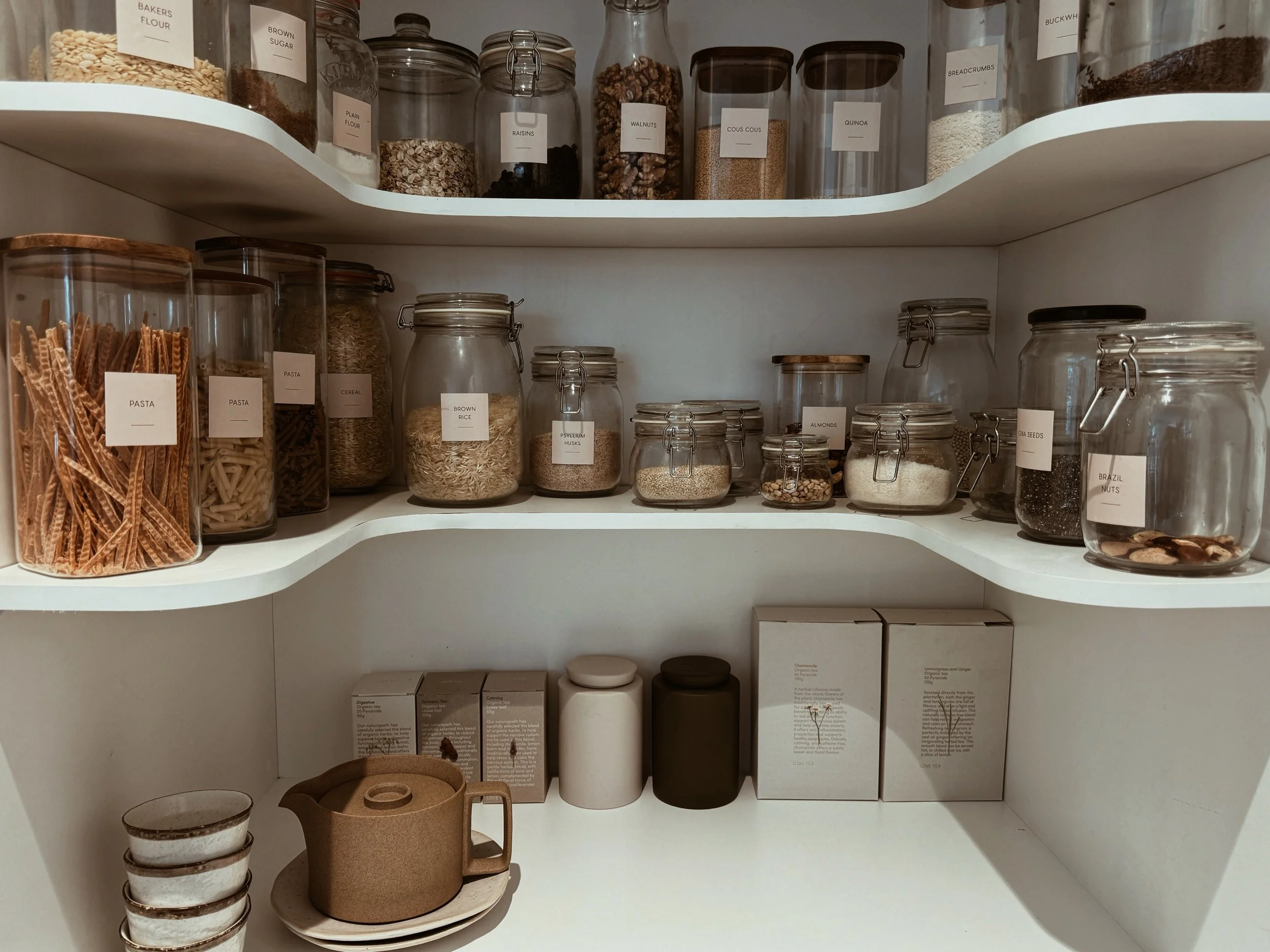
If you’re digging through bags and boxes every night to work out what ingredients you have for dinner, it’s probably time for a reset. And there’s something oddly satisfying about a well-organised pantry.
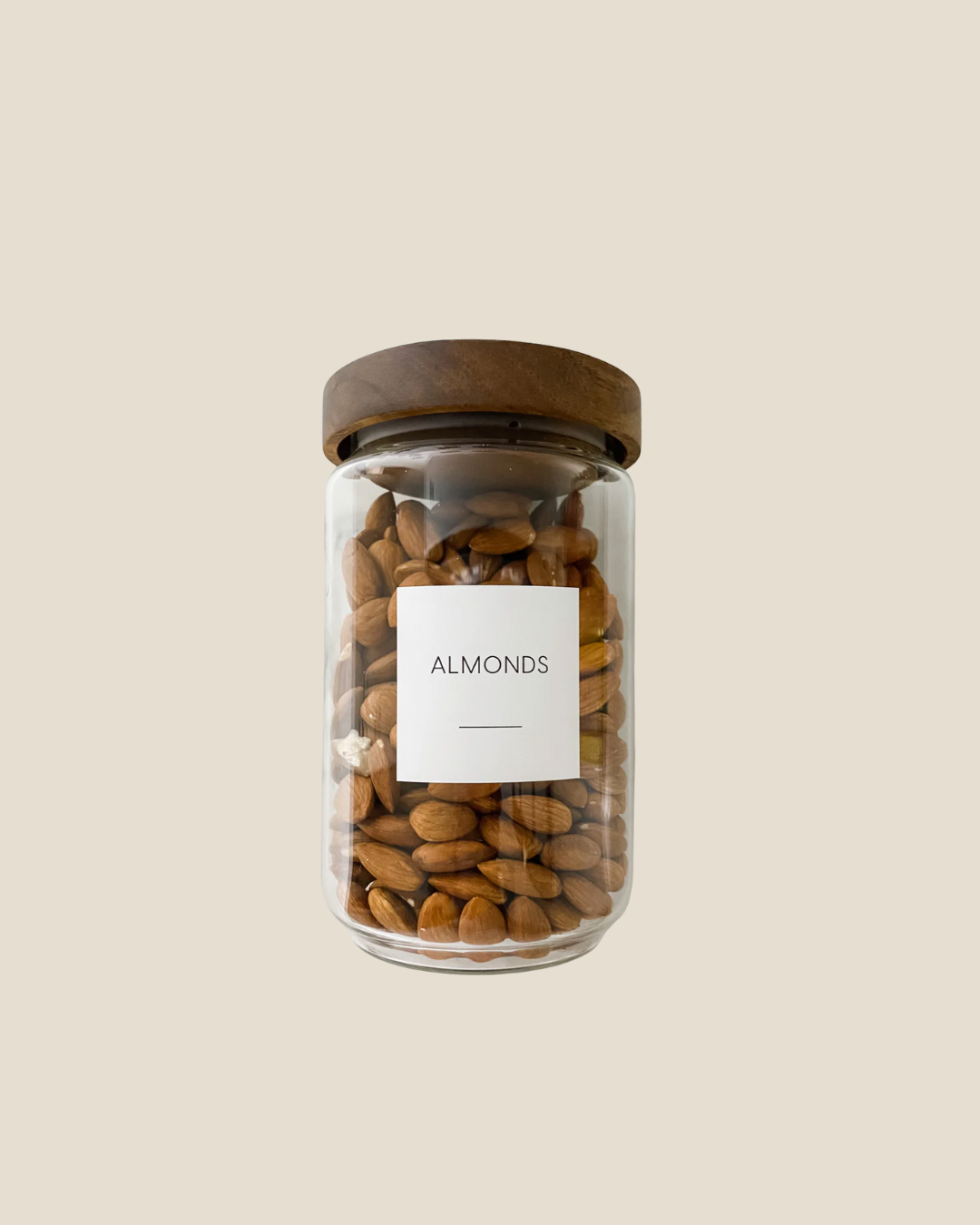
I decant staples into jars, use baskets for loose items, and group things by how we actually cook. It looks better, yes—but mostly, it’s about reducing friction when the kids’ wheels are coming off at 5pm. It’s also hugely helpful when it comes to the weekly shop and replenishing the pantry, I can quickly see what we need.
It might take an afternoon to set up, but short-term pain, long-term gain. I’ve linked some of the pantry items I use at the bottom of the page.
Mastering the wardrobe
This is one of those jobs you avoid in the lead-up because tackling all the wardrobes in the house takes time, but once you’ve got a system in place, it usually sticks.
Last year I took on all the wardrobes properly—storage boxes, drawer dividers, new folding techniques, labels for the kids. It was a few solid days of work, but it’s made our mornings smoother. And when you’re juggling a lot, even one part of the day running smoothly feels like a win.
Choose materials that can handle real life
Some seasons of life call for furniture that can take a little wear and tear.
As much as we want to feel good in our homes, we want our children to feel good in them too, and they're not going to if we're constantly hovering over them worried they're going to break something delicate. I've learnt firsthand that all children are different. My first son lived amongst glass cabinets and fragile objects without issue, but with my second it felt like a bull in a china shop. Some children quickly grasp the idea that certain things are precious and need to be treated with care, while others take longer to get there.
These days, I tell people to hedge their bets and fill their homes with furniture and materials that aren't too precious. Solid timber, natural stone and leather tend to age beautifully, developing character over time. They can handle a few knocks and often look better for it. Removable slipcovers for sofas are another favourite for family homes, making it much easier to keep things looking fresh.
When it comes to young children, the goal isn't to create a home you're constantly protecting. It's to create one you can properly live in, enjoy, and feel relaxed in.
Don’t ignore lighting
I always tell my clients to never underestimate the power of lighting, because it can completely transform how your space feels.
Overheads can be harsh, especially at night. I’ve swapped most of ours for lamps, and added dimmers where I can. I always lean towards warm lighting over cool—there’s just something about that softer glow that makes winding down at the end of a busy day feel that little bit easier.
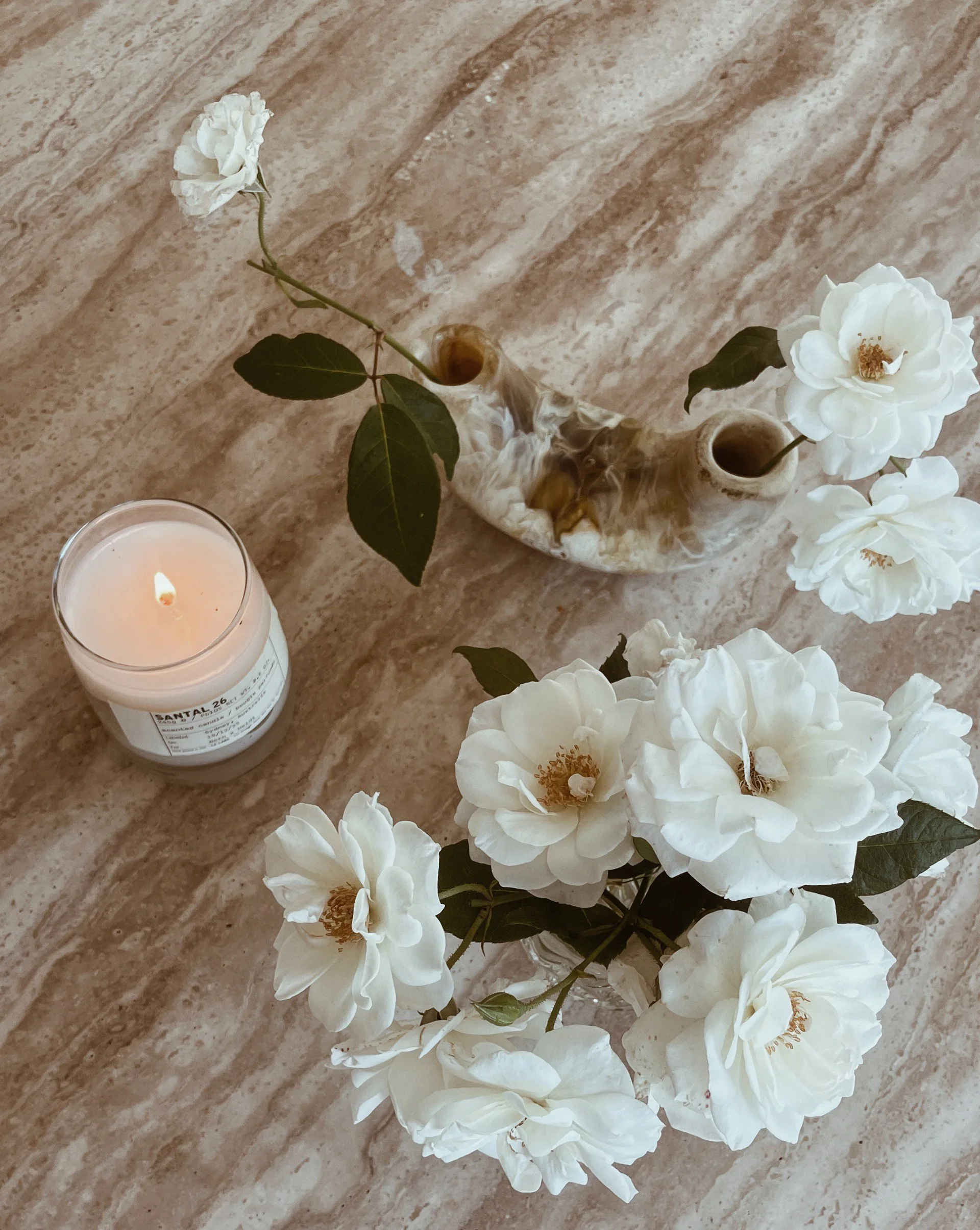
And candles. I don’t know what it is about those tiny flame flickers, but life’s just better when you make them a ritual. I light one almost every morning to start my day while I do the breakfast and lunchboxes. A small thing, but it adds a bit of calm to the chaos (which usually kicks-off around 5am in our house).
Refreshing your home to keep it feeling good
The sofa that’s not comfortable anymore. The rug that always bunches. The lamp you’ve been meaning to fix. These things might seem minor, but over time they compound.
I see this all the time in consults. People are subconsciously irritated in their homes by these little things that are not working for them, but they never do anything about them. Once they finally switch them out it makes such a difference. Especially those with young families, one of the most valuable things we look at is how the layout and flow of a space either adds to the daily stress or takes it away.
Investing in key upgrades, like swapping out furniture that doest’t quite fit or no longer works, or adding in new pieces that reflect your style now, can completely transform how your home feels.
Find a home scent
A good home scent doesn’t just smell nice; it connects you more to your space.
I love how over time, certain scents start to become part of your home’s identity, bringing both familiarity and comfort. I keep a few on rotation, and I’ve included my go-to’s which you can shop below. I use Diptyque’s Baies interior scent for the main living areas (a blend of floral and fruit) and Aesop’s Olous Aromatique Room Spray for the bathrooms (with grapefruit, jasmine, and galbanum, it’s fresh and woody).
After a long day at work or with the kids, it’s feels good to come home and instantly feel a connection to your space.
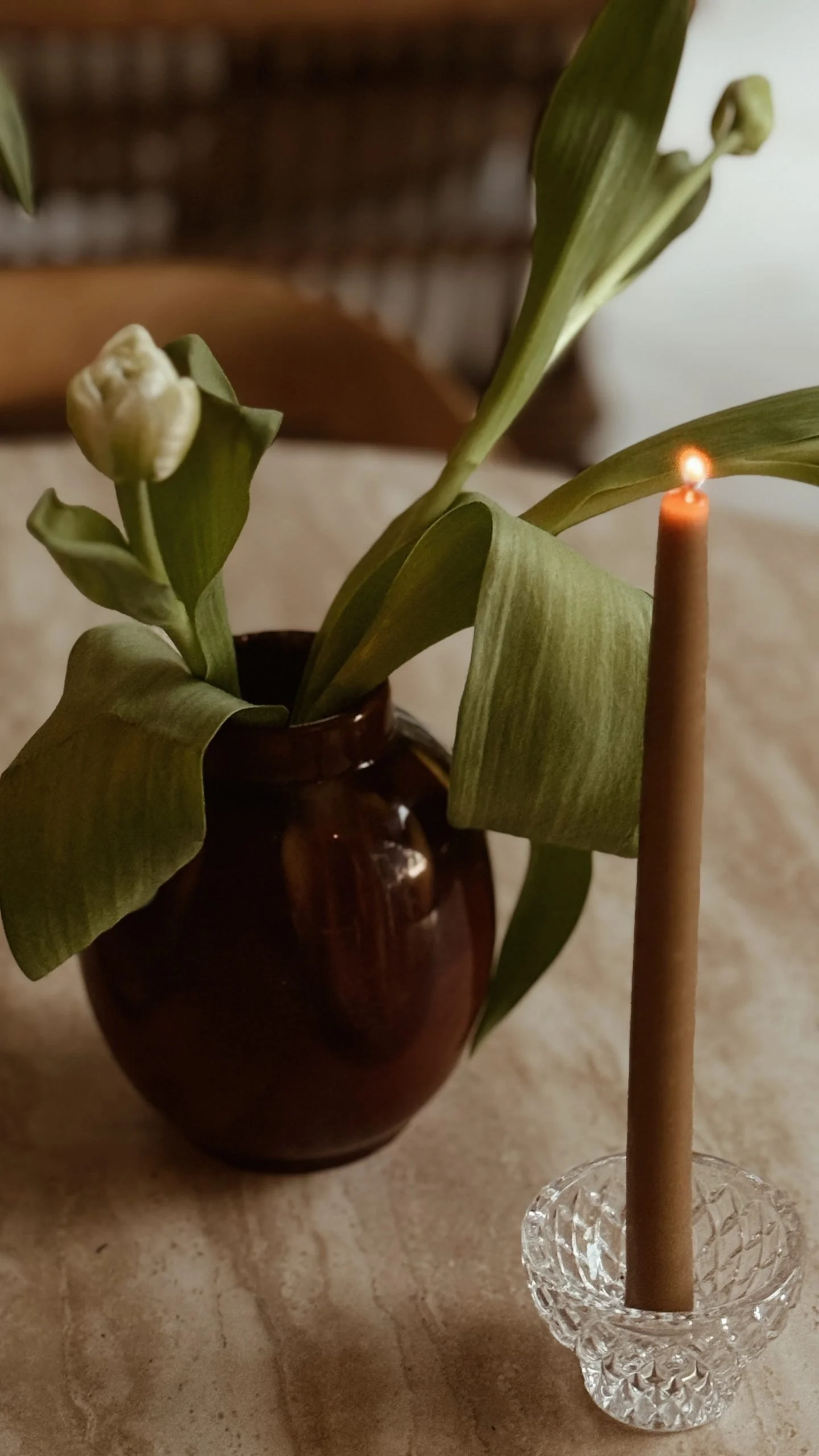
Flowers: they do make a difference
You’d only have to scroll a few posts of my Instagram to see how often flowers show up in our home. Yes, I love them—but more than that, bringing something from outside in really does shift the feeling of a room.
Even just a handful from the garden or local grocer can soften the energy of a space and make you feel better. Arranging them has become a bit of a ritual; even if the boys are running around while I do it, it’s ten minutes just for me. Highly recommend.