
Mix or match? How to choose the right metal finishes for your home
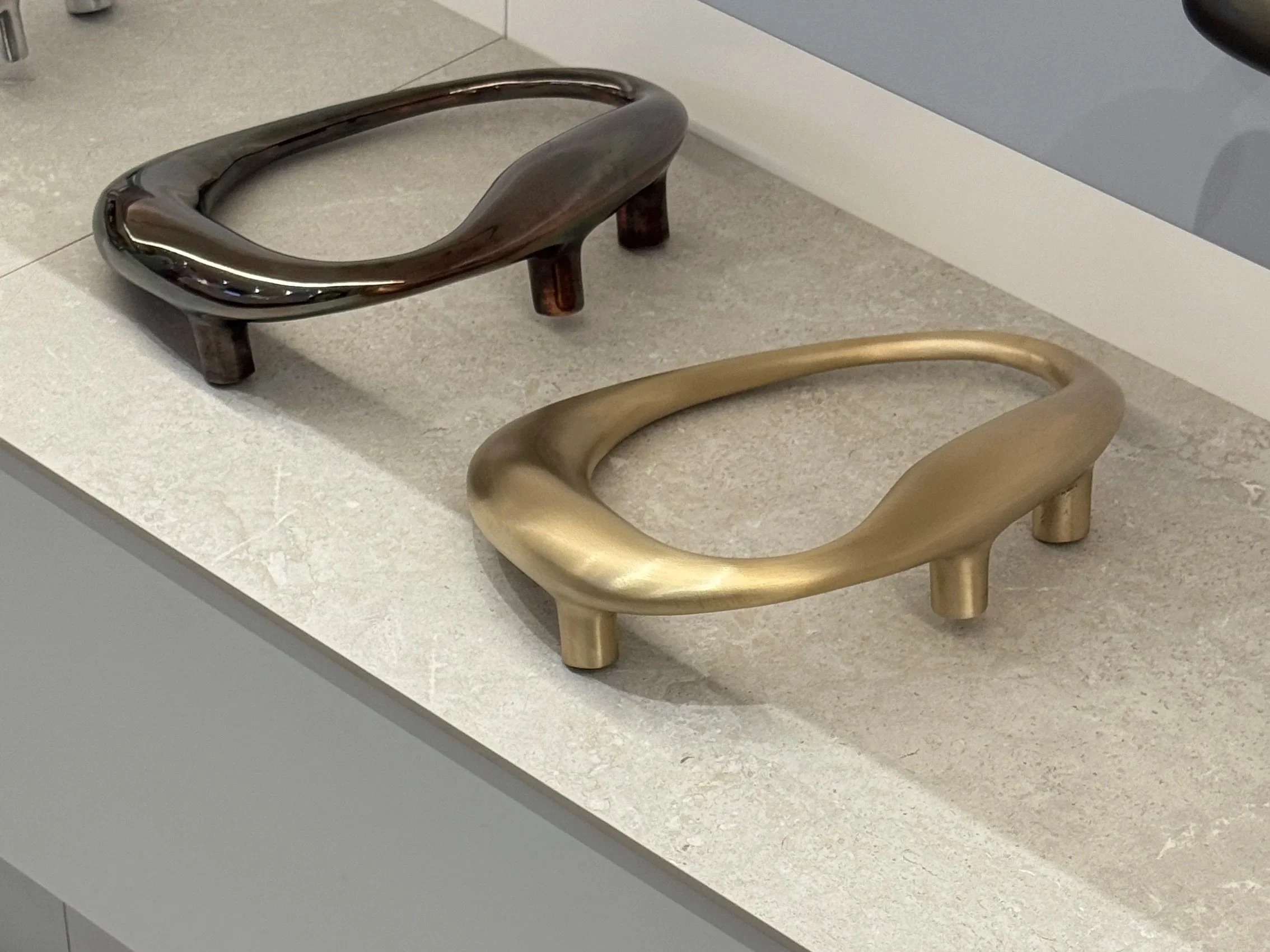
Renovations have a way of turning small choices into big ones, and metal finishes are the perfect example. At first, these finishes might feel like an afterthought, but then every renovation reaches a moment where cabinet hardware, light fixtures, taps, and door handles turn into a bit of a design rubik’s cube.
So do you keep everything minimal and matching? Or layer a mix of metals for more personality? And if you do mix, how far do you go?
The truth is, there’s no single right answer, just a spectrum of approaches. Each has its own mood, its own design logic, and its own way of shaping how a home feels, so knowing where you sit on the spectrum can make your design choices a whole lot easier when decision fatigue sets in.
All In on the Mix
Mixing metals fully is about embracing contrast and personality. It’s the difference between a room that feels installed in one hit and one that feels collected over time. Think brass beside matt blatt, antique bronze and polished nickel. It’s less about rules here and more about what intuitively feels right.
Athena Calderone, founder of EyeSwoon, is a master of this approach and has described sticking to one metal as “wearing only one silhouette or a singular designer”, a thought that might resonate if you see your home as a layered reflection of you. Mixing brass, bronze, matte black, and nickel creates layers and visual rhythm. It’s imperfect, by design.
Design Mindset: You like a home that feels collected, not too coordinated.
What You’ll Love: The energy and lived-in character that comes from contrast.
Watch Out For: Too many one-off finishes. Repetition anchors the mix and keeps it intentional.
Best for: The collector. Those who crave soul over symmetry. The renovator who loves contrast and character.
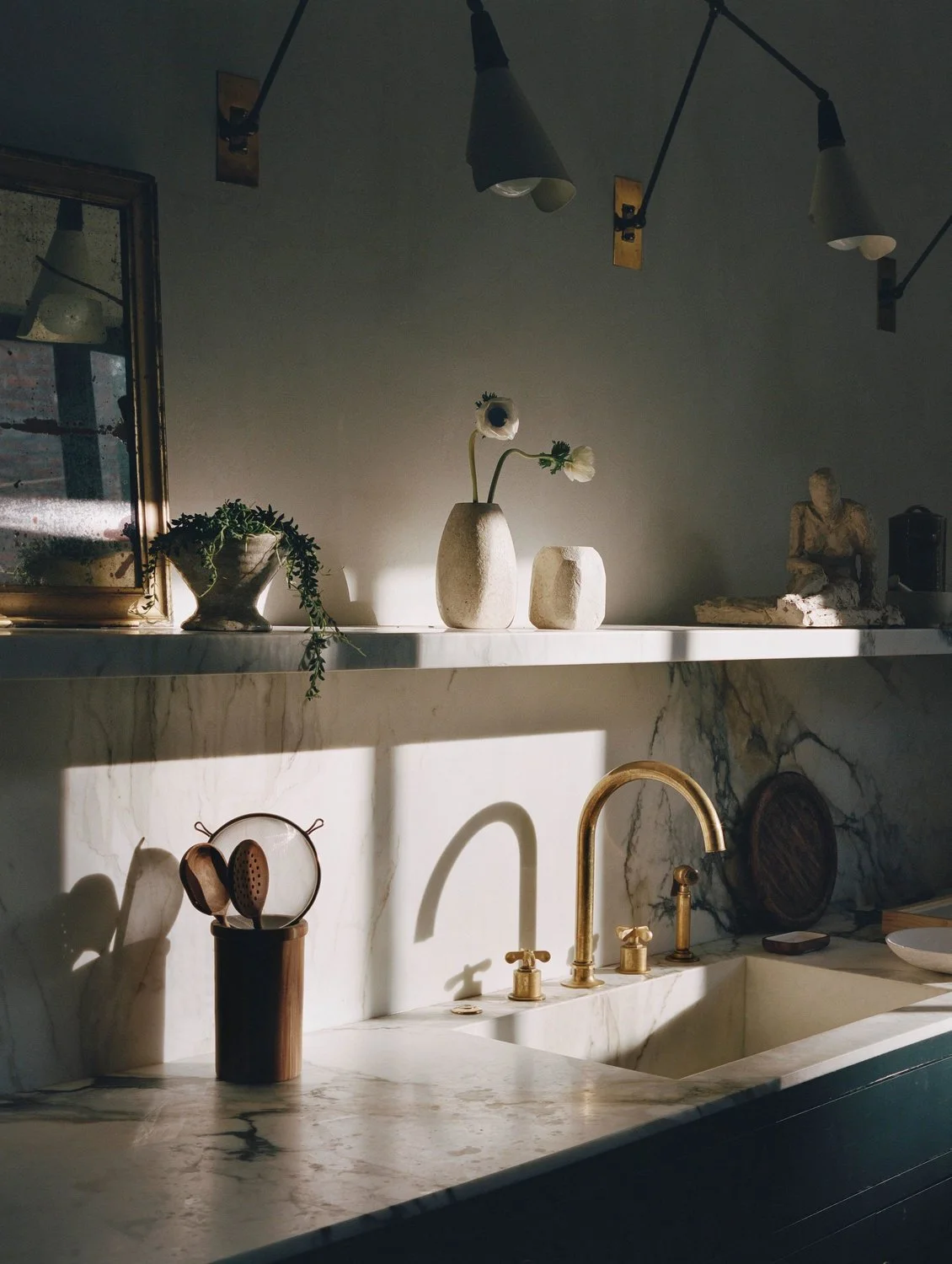
Photo: Eyeswoon
2. Mixing With Restraint
This is the balanced middle ground: two or three finishes, each used more than once, so there’s variety without chaos. You might choose warm brass for hardware, brzone for a lighting, and polished nickel for tapware, enough difference to keep it interesting but not so much it feels busy.
It’s a method often used in timeless, modern homes. Designer Shea McGee applies it beautifully, creating spaces where variety feels fresh but the repetition ties everything together, giving the home a natural sense of flow and cohesion from room to room.
Design Mindset: You want depth without too much visual noise.
What You’ll Love: A home that feels layered but still connected from room to room.
Watch Out For: Choosing too many ‘almost identical’ tones. Aim for clear contrast or clear cohesion.
Best for: Renovators who want a cohesive, layered look. Those who like personality but still want the whole home to feel consistent.
3. One Finish + One Statement Piece
A variation on matching everything, this path gives you the calm of a single dominant finish with one deliberate break. For example, you might have brushed nickel tapware and hardware throughout the home, paired with one beautiful aged-brass pendant over the kitchen island, a single contrasting moment that adds depth without committing to a full mix. That one difference becomes a focal point, but because it’s contained, it doesn’t feel out of place.
Design Mindset: You prefer a streamlined metal palette, punctuated by one thoughtfully placed contrast that adds interest
What You’ll Love: That one bold choice becomes a signature feature
Watch Out For: Introducing multiple hero moments. Keep the contrast contained so it feels intentional.
Best for: Those who feel safer with one controlled moment of contrast.
4. One Finish Everywhere
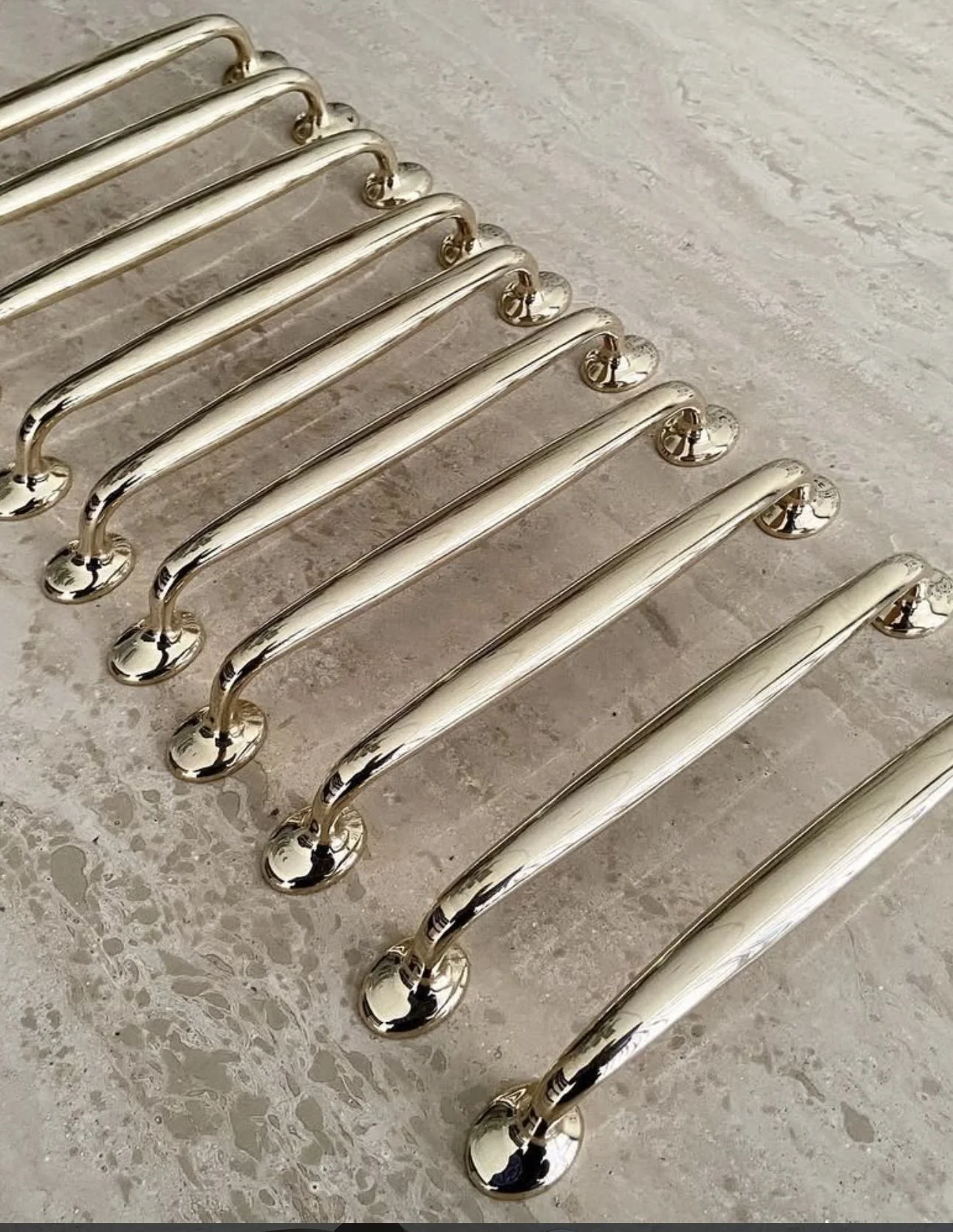
This one’s for the purists out there. Keeping every metal the same creates a unified feel. Here, depth comes not from contrasting finishes but from the richness of the materials—stone, timber, fabric, and light. This works in homes where you want a strong, continuous design thread from one room to the next, every fitting reinforcing the same design story.
Design Mindset: You prefer a minimal, unified look where every detail follows the same visual direction. Matching metals can help a space feel intentional and undistracted.
What You’ll Love: A clean palette that reinforces the overall design vision and keeps every room feeling aligned.
Watch Out For: Flatness. Bring in variety through stone, timber, and texture so the space feels layered and interesting.
Best for: Minimalists and anyone who finds visual variety more distracting than exciting.
Making Metals Work in Your Space
There’s no set formula for mixing or matching metals, but a few guiding principles can help your scheme feel connected, wherever you land on the spectrum.
decide on a lead finish:
Whether you’re matching or mixing, let one finish take the lead, with the others playing supporting roles.
BALANCE WARM AND COOL:
Pairing brass or bronze with chrome or nickel can create subtle tension and harmony in the same space.
ECHO YOUR CHOICES
Sometimes repeating a finish in more than one place makes it feel intentional rather than accidental.
Think beyond colour
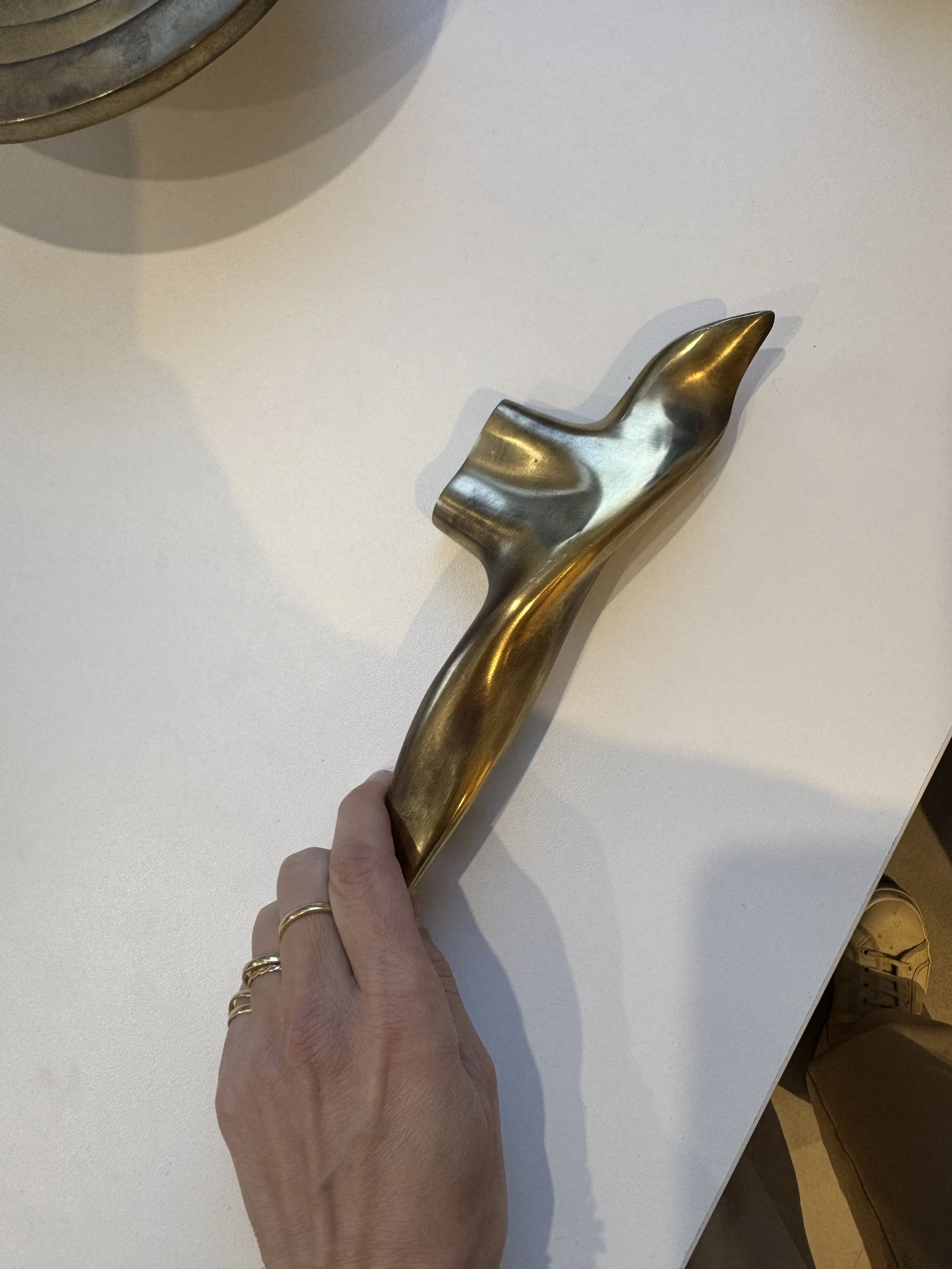
Mixing matte, brushed, satin, and polished textures can also add depth, even if you stick to a single tone.
There is no rulebook
Whatever approach you choose, the beauty of design is that there are no wrong answers, only aesthetics that feel right to you, and your space. Do you want visual complexity, personality, and tension? Go for multiple metals. Prefer quiet sophistication, consistency, and ease? Stick to a smaller palette. Either way: keep it intentional, balanced, and reflective of your sensibility. A finish should feel like it belongs because it supports the overall atmosphere you’re creating, not because you followed a trend or rulebook.
If you’re renovating your home and would like support selecting your materials and finishes, I offer tailored consultation packages to help you source, refine, and feel confident in every choice.
